
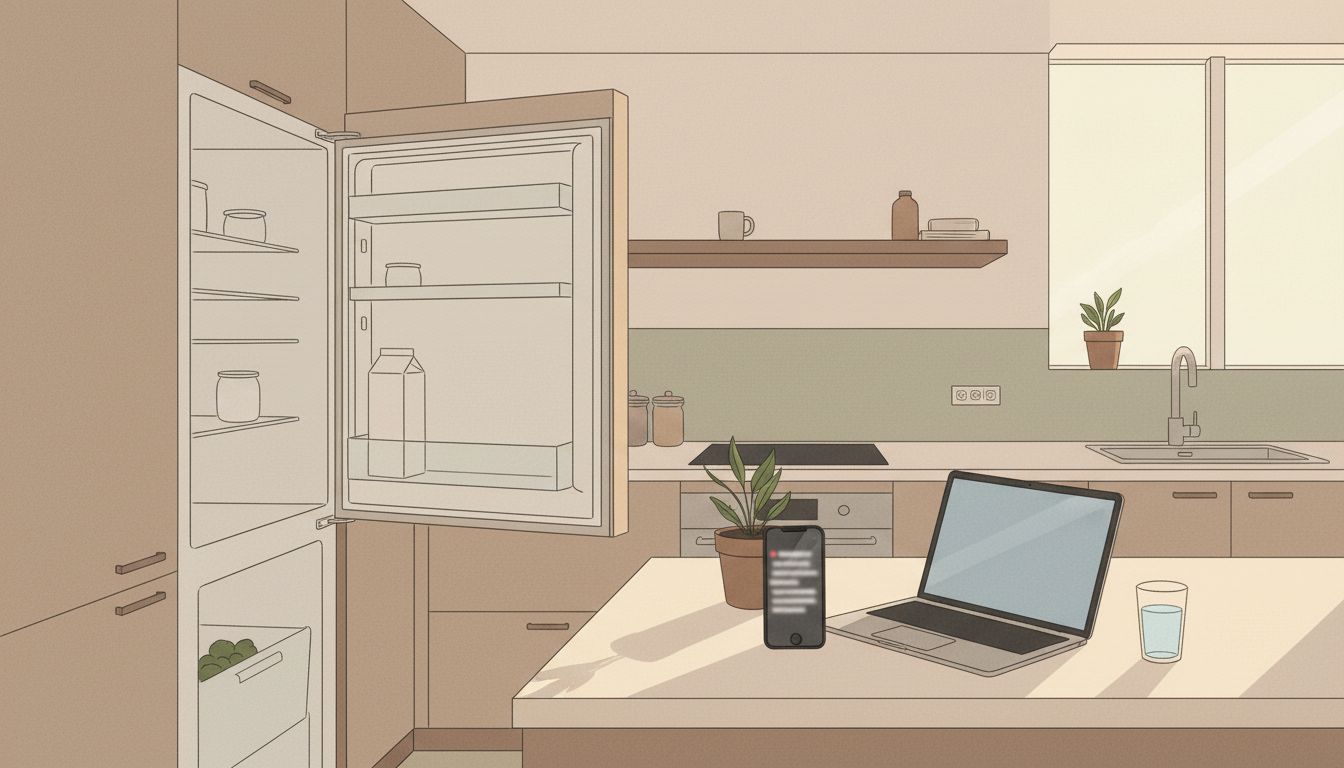
By 4 p.m., decision fatigue can make even tiny choices feel weirdly impossible—replying to one more Slack message, picking a workout, deciding what to eat. If you’ve ever stared at your fridge like it’s giving you a pop quiz, you’re not falling apart; your brain is just maxed out.
We make thousands of micro-decisions a day, most of them invisible: which tab to open first, whether to answer now or later, how to word a text, what to buy, what to postpone. Each one takes a small bite out of your mental energy. And by the time you get to the choices that actually matter—how to handle a tough client email, whether to go to that social plan, what your body needs tonight—you’re running on fumes. That’s why decision fatigue often shows up as procrastination, snappiness, impulse spending, or the “I can’t deal with this” shutdown.
Clarity isn’t more effort—it’s fewer decisions competing for your attention.
The mindset shift that helps (and feels kinder than “just be more disciplined”) is this: your goal isn’t to make better decisions all day—it’s to make fewer of them on purpose. Think of it as protecting your brain’s decision budget so you can spend it where it counts.
Start small with “defaults,” aka pre-decisions you don’t have to renegotiate daily:
- Create 2–3 go-to meals for weeknights and keep the ingredients on repeat. If cooking is a daily debate in your house, a meal kit like HelloFresh can act like training wheels until you’ve got your own rotation.
- Pick a standard order (coffee, lunch, groceries) so you’re not re-deciding the same thing every time.
- Template the work you repeat. A simple Notion page or Google Doc with your meeting notes format, email reply snippets, or weekly plan saves surprising amounts of mental energy.
If you want an immediate win, try a quick “evening offload”: decide tomorrow’s outfit and first meal before bed. It’s a tiny move, but it changes the tone of your morning—and frees up decision energy for everything that comes after.
Protect your peak hours: where decision fatigue hits hardest
If you can relate to the 4 p.m. slump, you already know this: decision fatigue isn’t evenly spread throughout the day. It spikes when you’re stacked with inputs (meetings, messages, errands, logistics) and still expected to make clear, kind, thoughtful choices.
A simple (slightly life-changing) strategy is to treat your best decision-making hours like a protected resource. Not in a rigid, “optimize your life” way—more like you’d protect your phone battery if you knew you’d be out all day.
Do your “high-stakes thinking” earlier—on purpose
If you have any flexibility at all, try placing your most important decision-making tasks earlier in the day:
- Hard email replies (the kind you reread five times)
- Work that requires judgment (editing, planning, prioritizing)
- Conversations you’ve been avoiding (setting a boundary, clarifying expectations)
Then give the afternoon the jobs it can handle: admin, follow-ups, light tidying, groceries, easy workouts, prep. This isn’t about being a morning person. It’s about matching the type of task to the type of energy you actually have.

Create “if-then” rules for your most common spirals
When you’re mentally tired, you don’t need more options—you need a small script. A few simple “if-then” plans can stop you from renegotiating the same choice over and over.
- If it’s 4 p.m. and I feel foggy, then I drink water, eat something with protein, and take a 5-minute reset before deciding anything.
- If I don’t know what to make for dinner, then I choose from my top three meals (no browsing recipes).
- If I’m tempted to impulse buy because I feel stressed, then I put it in a “48-hour list” and revisit later.
- If I’m too tired to work out, then I do a 10-minute walk or stretch—my “minimum effective dose.”
The magic is that you decide the rule when you’re clear-headed, so you don’t have to “figure it out” when you’re depleted.
Simple systems that make fewer decisions automatically
Defaults are the entry point. The next level is systems—not complicated ones, just little structures that reduce the number of times you have to stop and think, “What now?”
Use the “3-2-1” weeknight food system
If dinner is your daily breaking point, this is a gentle structure that still leaves room for real life:
- 3 repeatable dinners you can make without thinking (sheet-pan meal, stir-fry, tacos, pasta + salad)
- 2 flexible backups for chaotic nights (frozen dumplings, rotisserie chicken + bagged salad, eggs + toast)
- 1 “out or easy treat” option you plan for (so it doesn’t become a guilt spiral when you’re tired)
This removes the nightly “What should we do?” debate and turns it into a smaller, calmer set of choices. You still get variety—just not decision overload.
Cap your options: three choices is usually enough
A sneaky cause of decision fatigue is the belief that the “right” answer is hiding somewhere inside a long list of possibilities. Try capping common choices at three:
- Three outfits you love that are work-safe and comfortable
- Three workouts (one high-energy, one moderate, one gentle)
- Three lunches you can assemble fast
- Three “wind-down” activities that actually help (shower, show, book—pick your trio)
When you’re tired, “choose one of three” is a completely different experience than “decide from the entire universe.”
Batch decisions once, then coast
Batching is basically the grown-up version of setting yourself up for success—without the pressure to be perfect.
- Weekly planning (15 minutes): pick your 3 priorities, your social commitments, and your two easiest dinners.
- Errands list: keep one running list so you’re not re-remembering what you need every time you leave the house.
- Work templates: save your meeting agenda, project kickoff checklist, and status update format so you start from “done,” not from scratch.
The goal is to reduce the number of fresh starts you have to do. Fresh starts are expensive when your brain is already full.
Micro-resets that prevent decision fatigue from snowballing
Sometimes the best fix isn’t a new system—it’s a tiny interruption that gives your brain a second to recover. Think of these as “mental palate cleansers” between decisions.
The 2-minute reset menu
Pick a couple of these and keep them as go-tos—especially between meetings or before you walk into your home after work.
- Water + a few deep breaths (sounds basic; works anyway)
- Step outside for daylight and a quick lap
- One tiny tidy (clear the counter, put shoes away) to reduce visual noise
- Brain dump on paper: everything you’re holding in your head, no organizing
These aren’t about becoming a new person. They’re about giving your nervous system a signal: “We’re safe. We’re not behind. We can choose calmly.”
A gentle boundary: “I don’t have to decide this right now”
Decision fatigue often tricks you into believing every question is urgent. A surprisingly powerful phrase is: “I can decide later.”
Use it for:
- Non-urgent purchases
- Social plans you’re unsure about
- Low-stakes work decisions that can wait until morning
If it helps, give yourself a container: “I’ll decide tomorrow at 10 a.m.” That way it’s not avoidance—it’s intentional delay until you have better mental lighting.
You don’t need more willpower—you need fewer moments that demand it.
Tools that reduce mental load (without turning life into a spreadsheet)
You don’t need a complicated setup. The best tools are the ones you’ll actually use when you’re tired.
Keep a “default list” somewhere easy
Create a small note on your phone called “When I can’t decide” and include:
- Your 3 weeknight dinners
- Your 3 workouts
- Your 3 quick self-care options
- Your “minimum” clean-the-house plan (like: dishes + laundry + trash)
This is especially helpful on days when you feel like you’re malfunctioning. You’re not—you’re just out of decision fuel.
Use templates for people-pleasing moments
If you find yourself overthinking messages, keep a few kind, firm scripts ready. For example:
- “I can’t commit to that right now, but thank you for thinking of me.”
- “I’m at capacity this week. Can we revisit next week?”
- “I saw this—replying properly tomorrow when I’m at my desk.”
It’s not cold. It’s clarity. And clarity is calming.
Extra resources if you want more support
If you’d like to go deeper, there are great resources that can help you understand your patterns and reduce mental load even more:
- A short guided meditation or breathing exercise for “end of workday” transitions
- A simple weekly meal planning template you can reuse
- A decision journal prompt list (to spot what drains you fastest)
- A few evidence-based talks on habit formation and choice overload
A calmer life isn’t about doing less—it’s about deciding less
When you’re stretched thin, the answer usually isn’t “try harder.” It’s “make fewer things negotiable.” Defaults, small scripts, capped choices, and tiny resets aren’t boring—they’re relieving. They give you back the ability to be present for the parts of life you actually care about.
Start with one change that feels almost too easy: three dinners, a standing coffee order, a 2-minute reset, tomorrow’s outfit tonight. The point isn’t to run your life like a machine. It’s to build a life that holds you gently when your brain has had enough.
You deserve routines that feel like support—quiet, steady systems that keep you calm, capable, and a little more like yourself at 4 p.m.
Telegram Galelar
Instagram @galelar_lis
YouTube @galelar
TikTok @galelar_lis