If you’ve been collecting slow living tips like bookmarks you never open, you’re not alone. Most mornings, the stress starts before your feet hit the floor—calendar alerts, unread messages, and that weird pressure to “use the day well.”
Here’s the real problem: modern life isn’t just busy, it’s fragmented. You’re constantly being pulled between tasks, tabs, conversations, and expectations. Even when your schedule looks reasonable on paper, your nervous system is processing a nonstop stream of stimulation—Slack pings, delivery notifications, group chats, and the subtle guilt of not replying fast enough. The result is that familiar cocktail: mental fog, irritability, decision fatigue, and the sense you’re always behind.
Slow living doesn’t ask you to drop everything and move to the countryside. It’s a mindset shift from “fit more in” to “move with intention.” You still get things done—you just stop doing them in a way that leaves you depleted. Think of it as creating gentle structure: a few rhythms that reduce the daily scramble and help you feel like you’re living your life instead of managing it.
Slow Living Tips: Start by Changing Your Daily Pace (Not Your Whole Life)
Begin with two small systems that create immediate spaciousness:
1) Build a morning buffer (even 10 minutes counts).
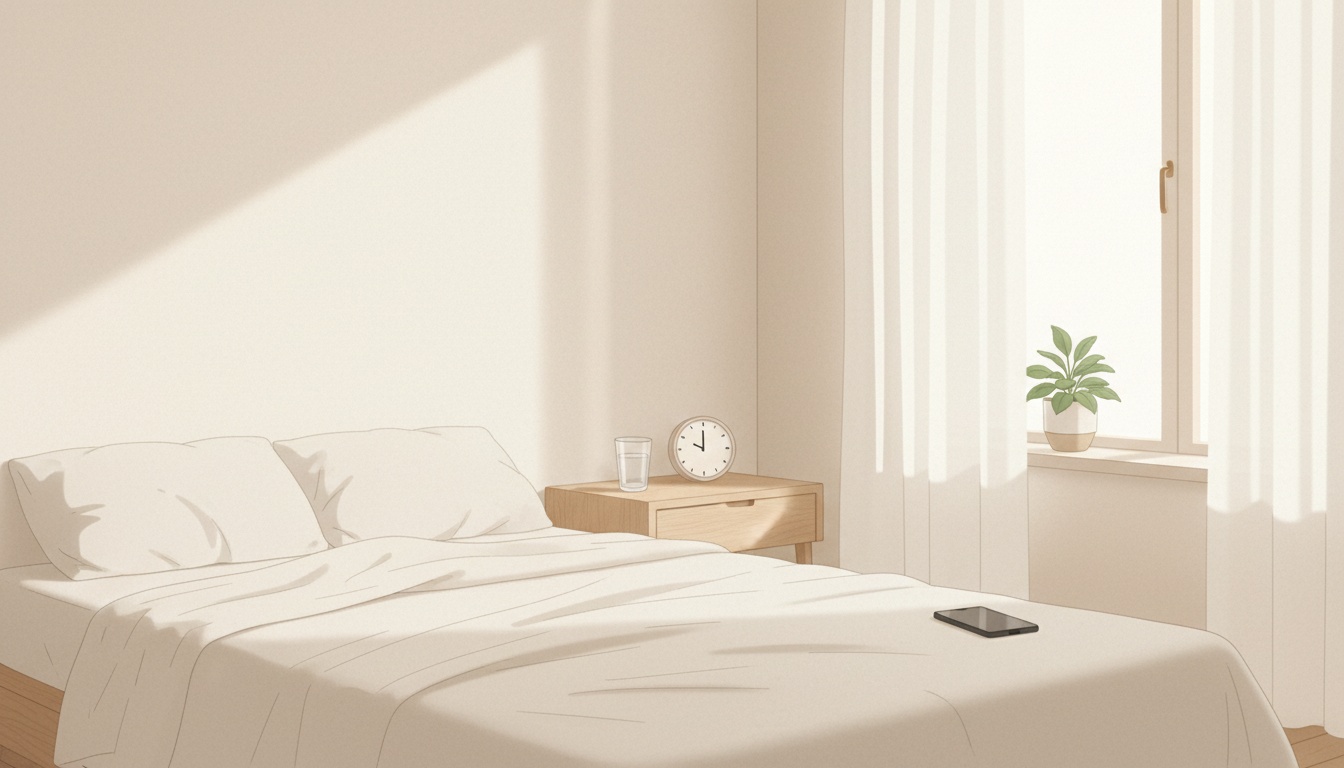
Before you check anything, give your brain a quiet on-ramp. Try three deep breaths, a glass of water, and opening a curtain or window. If you want structure, a simple habit tracker (like Streaks) or a Notion “Morning Checklist” can keep it light without turning it into a performance.
“Clarity comes from creating space, not from trying harder.”
2) Switch from multitasking to a single “priority block.”
Pick one task that would make the day feel steadier—then do it without toggling. Set a 25-minute timer and put your phone in another room. If notifications derail you, use Focus mode (iPhone) or Digital Wellbeing (Android) to quiet everything except true essentials.
These changes aren’t about perfection. They’re about teaching your mind and body that the day doesn’t have to start in emergency mode—and that alone can make everything feel more manageable.
Slow Living Tips That Protect Your Energy All Day
Once your morning isn’t a sprint, the next question is: how do you keep that steadiness when life starts coming at you? The trick is to build a few “guardrails” that make calm your default—even on normal, messy, working-adult days.
3) Use a “Yes/No/Not-Now” rule for plans
A lot of overwhelm isn’t from what you have to do—it’s from what you casually agreed to without realizing the cost. A simple filter helps:
- Yes: This aligns with what I want right now, and I have the energy.
- No: This drains me, complicates my week, or feels like obligation.
- Not now: I’m interested, but I need to check my calendar/energy first.
Try building a default response you can copy/paste when someone asks for something on the spot:
“That sounds lovely—can I check my week and get back to you this afternoon?”
It’s small, but it interrupts the reflex to people-please. And it gives you a chance to choose your life on purpose.
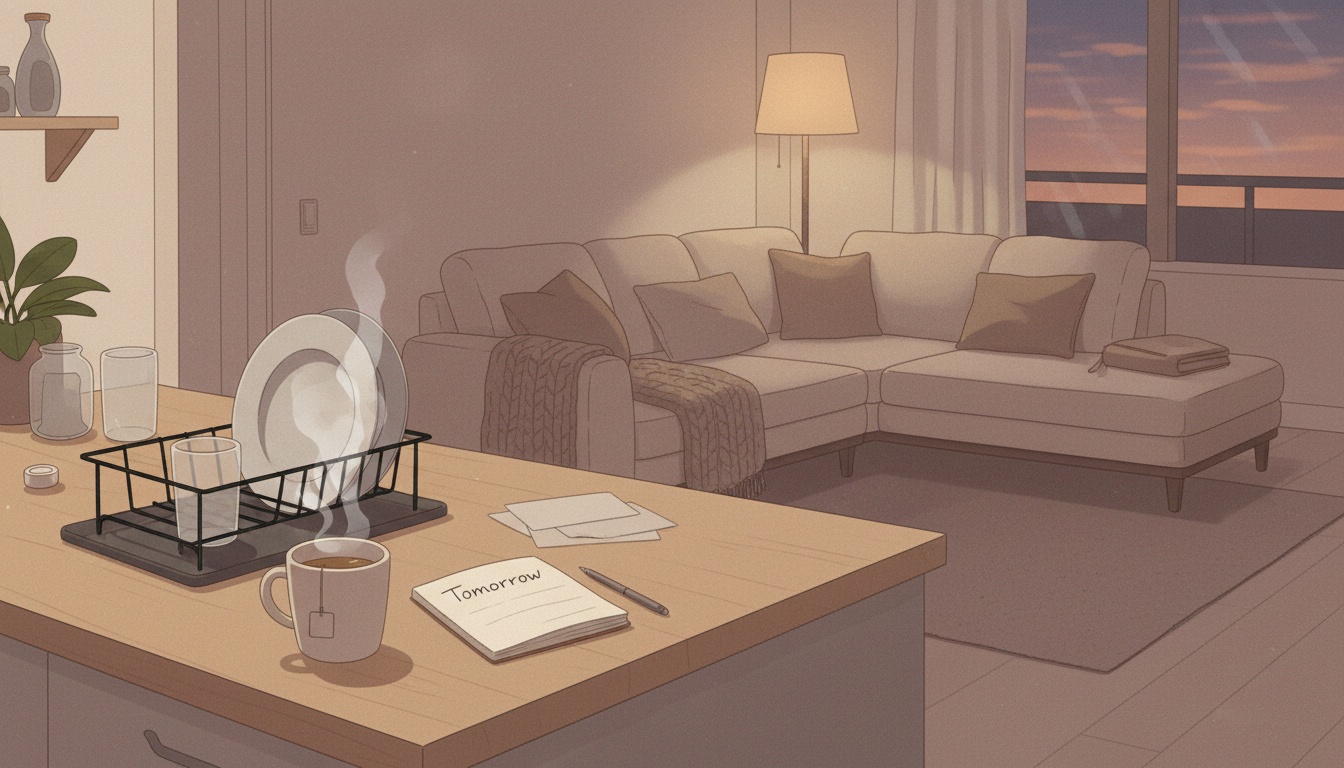
4) Create a “closing shift” so your evenings feel like yours
If your workday ends but your brain keeps running, you don’t need more willpower—you need an ending ritual. Think of it like telling your mind, “We’re done for today.”
- 10-minute tidy reset: clear the counter, put one load of dishes away, or reset the living room.
- Tomorrow note: write down the next 1–3 steps for your priority task. (This stops the 10 PM mental rehash.)
- One gentle transition: a short walk, shower, stretching, or tea—something that signals “home mode.”
Real life example: if you tend to scroll after dinner because you’re too tired to “do anything,” try making the transition the goal. A five-minute shower and clean pajamas can be enough to shift your nervous system out of work-day tension.
5) Reduce daily decisions with two tiny default menus
Decision fatigue is sneaky. It shows up as “I don’t know what I want for dinner,” or “I can’t deal with one more email.” Slow living is easier when fewer choices demand your attention.
Start with two lists:
- Your weekday meals you can make on autopilot (5–7 options)
- Your “I need a reset” activities (10-minute options that actually help)
Meal examples: sheet-pan chicken + veggies, pasta + spinach, eggs + toast, frozen dumplings + salad kit, soup + bread. Reset examples: sit on the floor and stretch, step outside for fresh air, unload the dishwasher, journal one page, put music on and do a 10-minute tidy.
When you’re overloaded, you’re not trying to become your “best self.” You’re just picking from a list your past self already approved.
6) Make your phone less “loud” without going off-grid
You don’t need a dramatic digital cleanse. You need friction in the places that steal your attention and ease in the places that support your life.
- Move distracting apps off your home screen (or into a folder called “Later”).
- Turn off non-human notifications: promos, “someone posted,” delivery pings—anything that isn’t a real conversation.
- Set two check-in windows for messages (for example: late morning + late afternoon).
- Use one Focus mode that allows only essentials (calls from favorites, calendar, maps).
If you’re thinking, “But what if someone needs me?”—you can keep calls from favorites on. Slow living isn’t being unreachable; it’s being less constantly interruptible.
7) Turn one everyday task into a calming ritual
This is where slow living starts to feel like a lifestyle instead of a to-do list. Pick one task you already do—coffee, shower, skincare, making lunch—and make it slightly more intentional.
- Lower the stimulation: no podcast for five minutes, no scrolling while the kettle boils.
- Add one sensory cue: a specific mug, a candle, hand lotion you like, a playlist that softens your mood.
- Do it all the way: fully present, even briefly.
You’re practicing “I’m here.” And that’s the whole point.
You don’t need more time—you need fewer things fighting for your attention.
A Simple Weekly Rhythm to Make Slow Living Stick
If your weeks feel like a blur, it’s usually because nothing is holding them in place. A gentle rhythm gives you structure without turning life into a project plan.
Try the “3 anchors” method
- One home anchor: a weekly reset (laundry + groceries + quick tidy) or a 30-minute “house admin” block.
- One relationship anchor: a standing date night, a Sunday call with family, or a friend walk.
- One self anchor: yoga class, therapy session, long bath, solo café hour, book club—something that refuels you.
Your calendar doesn’t need to be full. It needs to be supported. Anchors keep you from constantly rebuilding your life from scratch every Monday.
A small system for the mental load: “open loops” parking lot
If you carry dozens of half-finished thoughts (book the dentist, respond to that email, buy a birthday gift), your brain will keep tapping you on the shoulder all day.
Create one place to put them:
- a notes app list called Open Loops
- a sticky note on your desk
- one page in a notebook
Then pick a consistent time to review it—15 minutes once or twice a week is enough. The goal isn’t to do everything immediately. The goal is to stop your brain from acting like it has to remember everything.
Extra Support When You Want More Slow Living Tips
If you want guided help building calmer routines, these resources can reinforce what you’re practicing (without adding pressure):
- Short breathing or wind-down videos (5–10 minutes) for nervous system reset
- Simple habit trackers to keep rituals light and consistent
- Slow living communities and newsletters for gentle ideas and accountability
- Guided nature walks or mindfulness audios for screen-free decompression
A Calm Life Isn’t a Perfect Life—It’s a Supported One
Slow living isn’t something you “achieve.” It’s what happens when your days have enough space to breathe—and when your choices match what you actually value.
Start small: a morning buffer, one priority block, a kinder phone setup, an end-of-day closing shift. These are smarter systems, not extra expectations. Over time, they reduce mental load because you’re not constantly reacting—you’re directing.
You’re allowed to live in a way that feels steady. Not because you did everything, but because you built a life that holds you gently while you do what matters.
Telegram Galelar
Instagram @galelar_lis
YouTube @galelar
TikTok @galelar_lis