
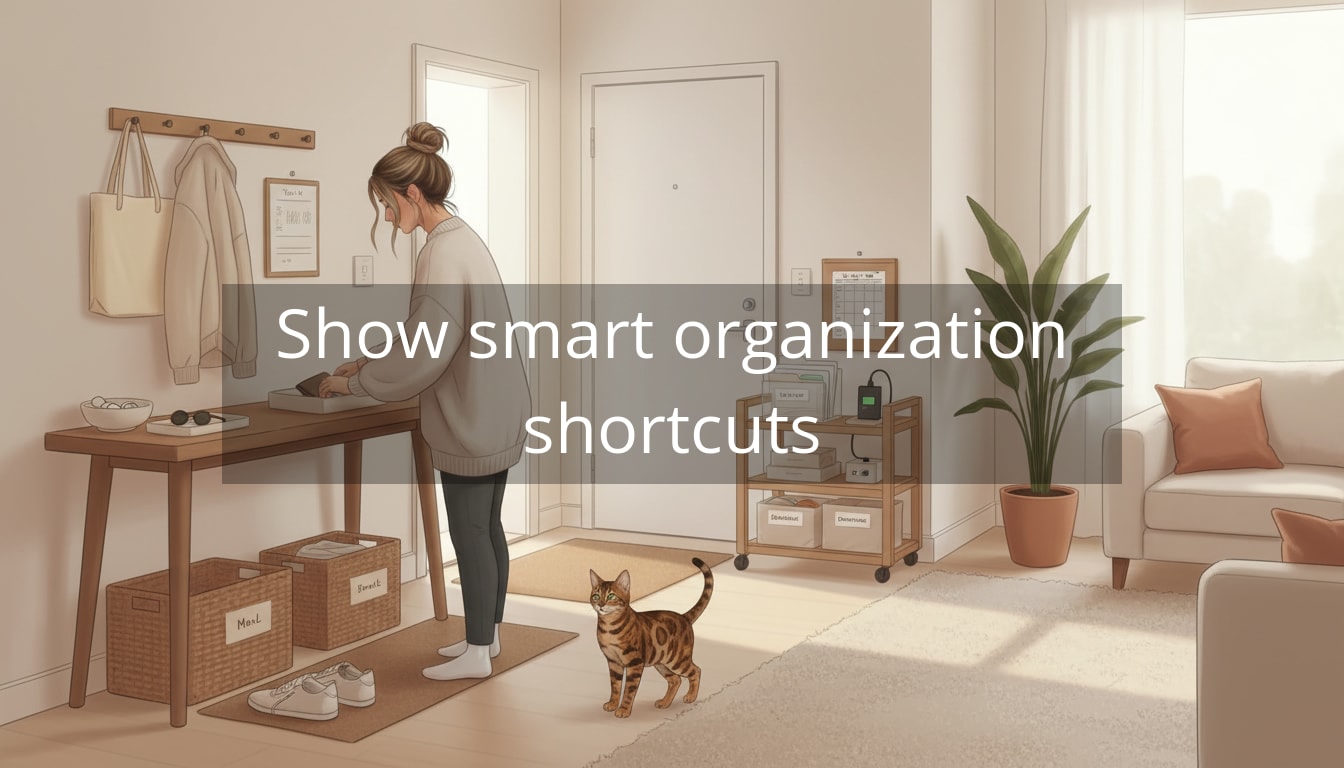
You know that feeling when you get home, open your bag to find your keys, and somehow end up pulling out three receipts, a lip balm, and yesterday’s snack wrapper first? Home organization hacks can feel like the missing link between a full life and a home that actually supports you. Not magazine-perfect—just calm, functional, and easy to maintain.
The problem usually isn’t that you’re “messy.” It’s that modern life moves faster than our spaces were designed to handle. Stuff enters your home constantly (deliveries, paperwork, workout gear, beauty products, tech accessories), and if there isn’t an obvious landing spot, it defaults to the nearest flat surface. Counters become holding zones. Chairs become clothing storage. And then your brain is quietly tracking all of it, even when you’re trying to rest.
Here’s the mindset shift that makes everything easier: organization isn’t a weekend project—it’s a set of tiny systems that reduce decision-making. The best setups focus on visibility (so you can see what you have) and access (so putting things away is the easiest option, not the hardest).
“Clarity at home creates space in your mind.”
A few starter systems that make an immediate difference:
Home Organization Hacks That Reduce Daily Chaos
1) Create a drop zone (before you organize anything else).
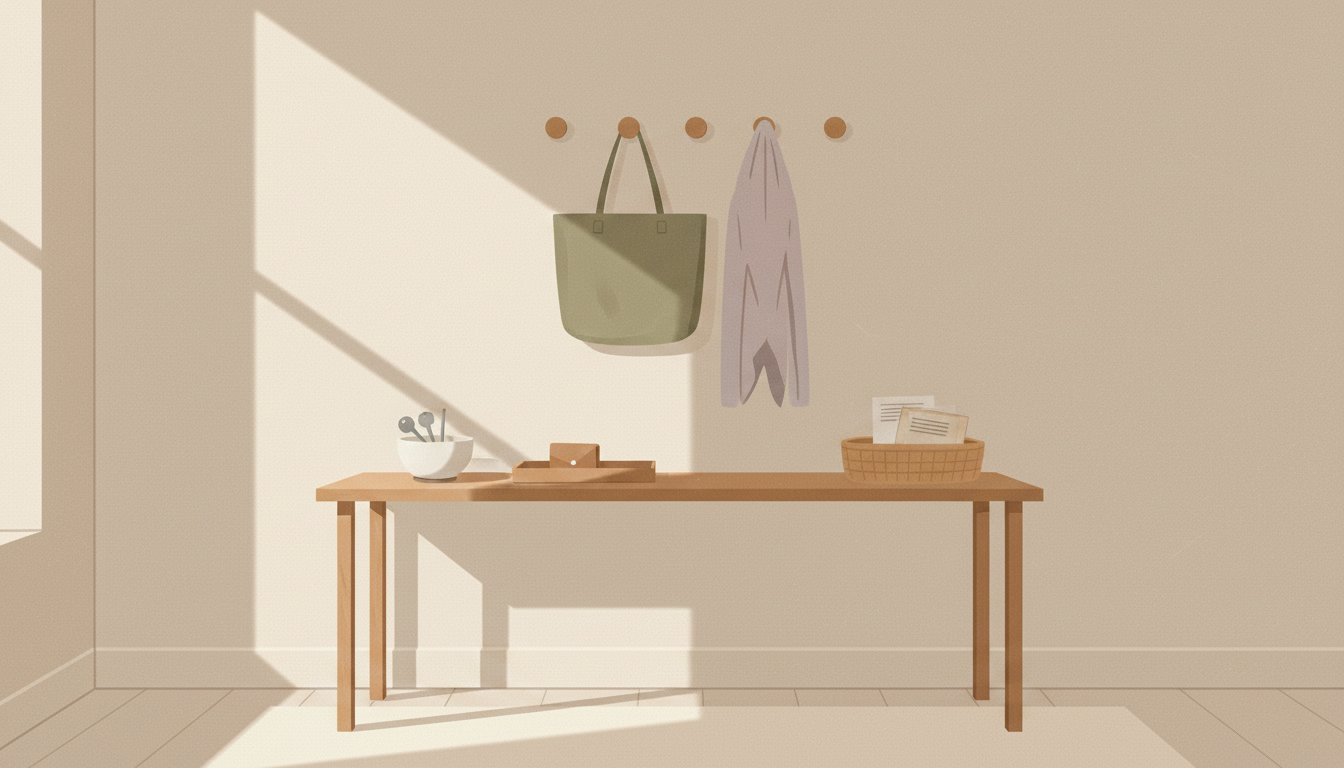
Pick one spot near the entry: a hook for your bag, a small tray or bowl for keys, and a basket for mail. This prevents the “migration” of daily essentials across your home.
2) Group like with like—then contain it.
Instead of “cleaning supplies everywhere,” aim for one cleaning bin under the sink. Same for chargers, hair tools, or snack foods. Clear bins help because you don’t have to remember—your eyes do the work.
3) Do a 15-minute reset with a timer.
Use your phone’s timer (or an app like Todoist/Apple Reminders) and treat it like a quick shutdown routine: surfaces clear, items back to their homes, drop zone emptied. Consistency beats intensity, and this is where it starts.
Home Organization Hacks That Make Storage Actually Work
Once your drop zone, “like-with-like,” and 15-minute reset are in place, the next step is making storage feel effortless—not like a puzzle you have to solve every time you put something away. The goal is simple: your home should be easier to maintain on a random Tuesday than it is to mess up.
Use “point-of-performance” storage (a fancy term for “where you actually use it”)
If you’re constantly setting something down in the “wrong” spot, that’s not a character flaw—it’s feedback. Instead of forcing yourself to walk across the house to put something away “properly,” create a tiny home for it where it naturally lands.
-
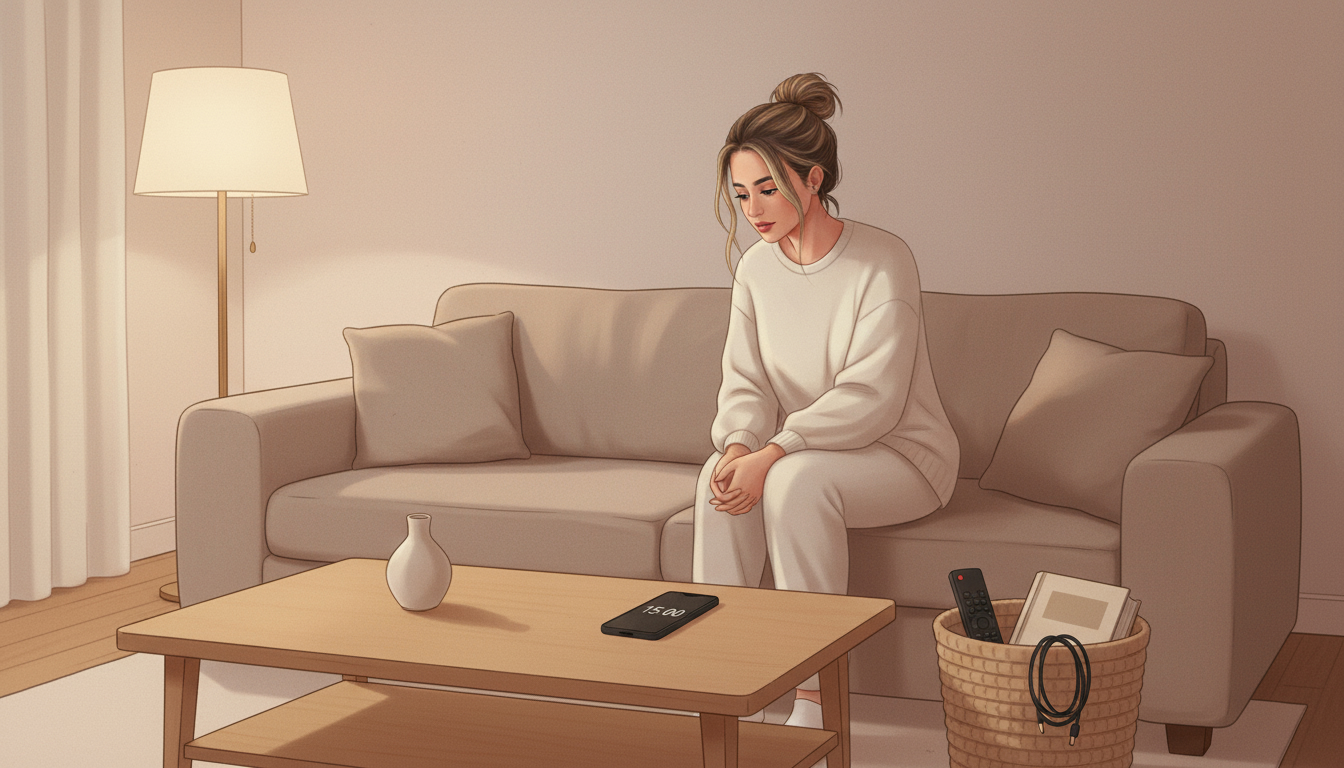
Living room: A small basket near the sofa for chargers, lip balm, pens, and remotes. (If you’re fishing for the remote nightly, it deserves a real home.)
-
Bedroom: A catchall tray for jewelry, hand cream, and hair ties. One spot, not five surfaces.
-
Bathroom: A bin for daily items and a separate bin for backups. Your counter stays calm, and you still know what you have.
-
Kitchen: Keep cooking tools near the stove, not “wherever they fit.” The best layout is the one that supports how you move.
Make “invisible storage” visible with simple zones
Cabinets, drawers, and closets aren’t messy because you own too much (though sometimes, yes). They get chaotic because everything becomes a pile. The fix is creating zones inside the space—so each category has edges.
-
One drawer, four sections: Use a few small containers to divide “daily tools” from “rarely used tools.” You don’t need a full overhaul—just a few boundaries.
-
The two-bin shelf rule: On any shelf that becomes a “junk shelf,” add two labeled bins: one for “current life” (things you use weekly) and one for “overflow/backstock.” The shelf stops being a mystery zone.
-
Vertical stacking: If you can stack it safely, stack it. Shelf risers and clear bins turn one awkward shelf into two functional levels.
Small-Space Home Organization Hacks (Without Buying a New Everything)
If your space is tight, you don’t need to “minimalist” your entire life. You need storage that borrows space you’re not using yet—walls, doors, and the air above things.
Go vertical in places you usually ignore
-
Behind doors: Over-the-door organizers aren’t just for shoes. They’re great for hair tools, cleaning cloths, skincare backups, snacks, or kid essentials.
-
Inside cabinet doors: Add small hooks for measuring spoons, oven mitts, or hairbrushes. If it’s lightweight, it can live on a door.
-
Under sinks: Use a bin for “daily cleaning,” and hang spray bottles on a tension rod. It’s the difference between rummaging and reaching.
Try the “one-touch” standard for everyday items
If putting something away takes more than one move—remove a pile, open a hard-to-reach container, shift three things—your brain will resist. Aim for storage you can access and reset with one motion:
-
Hooks instead of hangers for bags, jackets, and “rewear” clothes that aren’t dirty but aren’t drawer-ready.
-
Open-top bins for categories that need speed (scarves, dog gear, workout accessories).
-
Front-facing folders for papers you actually reference (insurance, pet records, car paperwork), so they don’t become a leaning tower on the counter.
Set up a “soft landing” for items in transition
A lot of mess is really just life mid-process: returns you haven’t shipped, a gift you need to bring, papers to file, a package you need to open. Give those items a temporary, contained home so they don’t spread.
-
Returns bag: One tote with tape + a marker. If an item needs to go back, it goes straight in the bag.
-
Outgoing basket: Near the door for things you need to take with you (library book, donation drop, dry cleaning).
-
Paper inbox: A single tray—not multiple stacks. Sort it during your reset.
Tools That Keep Home Organization Hacks Low-Effort
You don’t need a label maker to be organized. You need a few tools that reduce thinking. If you’ve ever bought a cute bin and still felt overwhelmed, it’s usually because the system didn’t match your habits—not because you failed.
-
Clear bins: Best for backstock, pantry items, and anything you forget exists. Visibility prevents duplicates.
-
Drawer dividers: The fastest way to stop “everything drifting to the middle.” Especially helpful for beauty, office supplies, and kitchen tools.
-
Lazy Susans: Perfect for corners and deep cabinets (oils, spices, skincare, cleaning supplies). If you can spin it, you’ll use it.
-
A donation bin: A simple bag or basket in your closet makes decluttering ongoing, not dramatic.
-
Painter’s tape labels: Low-commitment labeling that’s easy to change as your life changes.
A quick “systems check” when a space keeps falling apart
If you tidy the same area over and over and it never sticks, try troubleshooting with these questions:
-
Is it too far? If the storage is across the house, items won’t make it there consistently.
-
Is it too hidden? If you can’t see it, you won’t remember you have it.
-
Is it too complicated? If the lid is annoying or the bin is too small, the system will quietly fail.
-
Is the category too broad? “Random stuff” is a trap. Split it into two smaller categories and contain them.
Small adjustments beat full re-dos. Usually you just need one better container, one better location, or one clearer category name.
Habits That Protect Your Calm (Even When Life Is Full)
The most supportive homes aren’t the ones that look perfect—they’re the ones that recover quickly. These tiny habits keep your space from becoming another thing you have to manage.
Keep the reset small enough to do on your worst week
Your 15-minute reset doesn’t need to cover the whole house. A reliable version might be:
-
Clear the kitchen counter and sink
-
Empty the drop zone (keys back, mail sorted)
-
Put one load of “strays” into a basket and return items to their homes
If you have more energy, you can do more. But the baseline stays doable—because that’s how it becomes automatic.
Use “one-in, one-out” in the categories that explode
You don’t have to apply this rule to everything. Start with the areas that create the most noise:
-
Beauty and skincare: If you buy a new product, put one you don’t love into your donation/giveaway bin.
-
Mugs and water bottles: If the cabinet is always jammed, this is a high-impact category.
-
Throw pillows/blankets: Cozy items multiply fast and create visual clutter quickly.
Reduce the “decisions per day” inside your home
A lot of mental load comes from micro-decisions: Where should this go? What do I wear? Do we have coffee filters?
-
Create defaults: One spot for scissors, one place for batteries, one shelf for breakfast items.
-
Keep backups visible: If you store extras, store them together and label them clearly, so you don’t buy another “just in case.”
-
Limit open surfaces: Countertops and dressers feel calmer when only a few intentional items live there.
“You don’t need more time—you need fewer tiny decisions.”
Extra Resources for Your Home Organization Hacks Toolkit
If you want more support building systems that fit your routines (not someone else’s aesthetic), here are a few helpful resources to explore next:
-
Checklists: A simple room-by-room reset checklist you can keep on your phone or printed inside a cabinet door.
-
Category guides: Quick “what to keep vs. what to donate” guides for closets, kitchens, and bathrooms.
-
Video tutorials: Short demonstrations for drawer dividers, under-sink setups, and entryway drop zones (helpful if you learn visually).
-
Printable labels: Easy labels for pantry, linen closet, and cleaning bins to remove guesswork.
A Calm Home Isn’t Perfect—It’s Supported
If your home has felt like a second job lately, you’re not behind—you’re just living in a high-input world. The win isn’t a flawless pantry or an empty counter forever. The win is creating small systems that make your days smoother: a drop zone that catches chaos, containers that keep categories honest, and a reset routine that brings your space back to neutral.
Start with one spot that’s been quietly bothering you—your entryway, your bathroom counter, the chair with the clothes—and give it a simple, forgiving system. Your future self will feel it immediately: fewer frantic searches, fewer mental tabs open, and more room to exhale at home.
Telegram Galelar
Instagram @galelar_lis
YouTube @galelar
TikTok @galelar_lis